
Introduction: Plasma Polishing Upgrades 3D Printing Post-Processing
Plasma polishing is a key post-processing technology for 3D printed parts.
It delivers high-quality surface finishing for metal additive components.
The tech effectively polishes surfaces and removes unwanted burrs.
It solves rough surface issues common in raw 3D printing outputs.
Customizable designs fit diverse 3D printing alloy and material types.
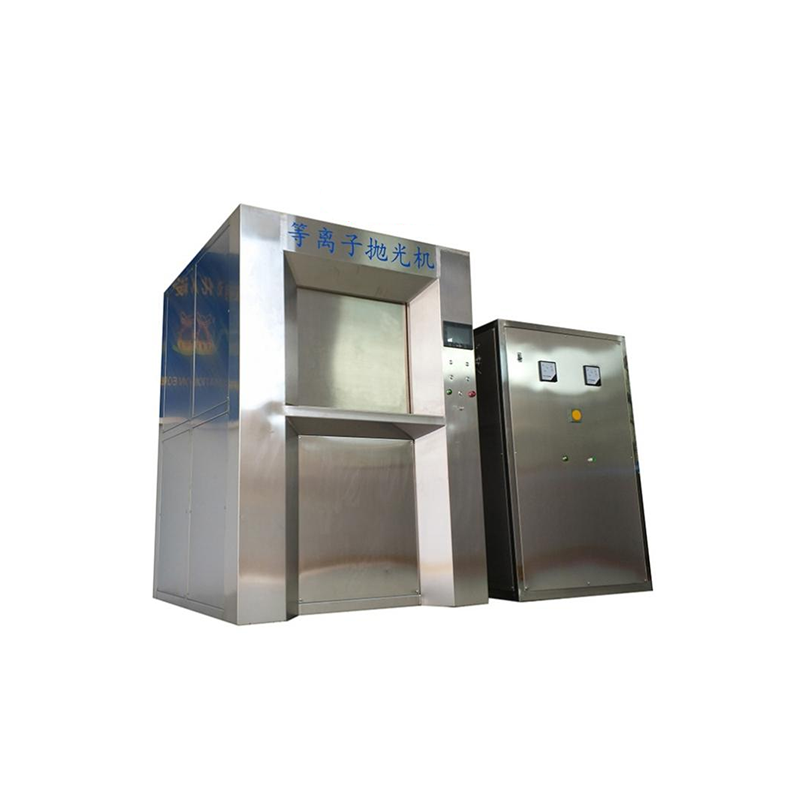
Core Application Requirements for 3D Printing Plasma Polishing
3D printed metal parts have unique structural and material features.
Complex shapes often need precise and uniform polishing treatment.
Standard finishing tools fail to meet high-precision industrial standards.
Plasma equipment adapts to various additive manufacturing materials.
It supports customized processing for different alloy component needs.
The process maintains part accuracy while improving surface smoothness.
Professional Equipment Selection for 3D Printing Finishing
Specialized plasma machines suit batch and continuous production modes.
Standard models handle regular deburring and polishing tasks steadily.
Custom configurations adapt to complex 3D printed part geometries.
Automated operation ensures consistent processing at fixed intervals.
Stable machine parameters support long-term mass production needs.
Key Parameter Introduction of Classic Plasma Polishing Models
General plasma machines integrate deburring and polishing functions.
They suit medium-volume 3D printed part processing scenarios.
High-performance models support 100A max output current steadily.
Rated 30KW power ensures efficient and uniform plasma treatment.
Precise parameter control avoids damage to delicate printed parts.
Necessary Ancillary Systems for Complete Processing Cells
Dust and fume extraction systems secure clean workshop conditions.
Automated handling systems boost loading and unloading efficiency.
Ultrasonic pre-cleaning removes loose powder and contaminants.
All auxiliary devices match core plasma equipment throughput.
Full system integration optimizes overall post-processing workflow.